In this guide
- Buy Riding Helmets for function and fit
- How to evaluate quality
- Fit checks should be routine
- Cleaning and storage
- What beginners should prioritize
- Bottom line
- The role of body condition and workload
- Handling and communication around this topic
- How to discuss the issue with a professional
- What “good enough” looks like
- Building a long-term record
- Planning before you make a change
- What to watch during the first week
- How season and environment change the answer
Horse gear should solve a specific problem without creating a new one. Fit, maintenance and suitability matter more than buying the most expensive option. In this guide, we focus on riding helmets from the perspective of an everyday owner or rider in the United States. You will get a practical framework, the reasons behind the recommendations, common mistakes to avoid, and clear signals for when professional help is the better choice.
Ponney’s goal is to make horse information useful at the barn, not merely interesting on a screen. Keep your own horse’s age, workload, climate, housing, medical history and temperament in mind as you read. When a recommendation affects health or safety, confirm it with the professional who knows your horse.
Buy Riding Helmets for function and fit
Start by defining the job the item must do. A grooming tool should be comfortable in your hand and appropriate for the horse’s coat. A blanket should fit without rubbing. A saddle must distribute pressure correctly. A helmet must fit the rider and meet a recognized safety standard.
Avoid buying because a product is popular on social media. The best gear is the gear that fits, is maintained correctly and suits your actual riding or care routine.

How to evaluate quality
Look at stitching, hardware, edges, adjustability and how easily the item can be cleaned or inspected. For safety equipment, replacement guidance and certification matter more than decorative features.
Second-hand equipment can be economical for some categories, but items with hidden structural damage require extra caution. Helmets are a clear example: impact history may not be visible from the outside.
Fit checks should be routine
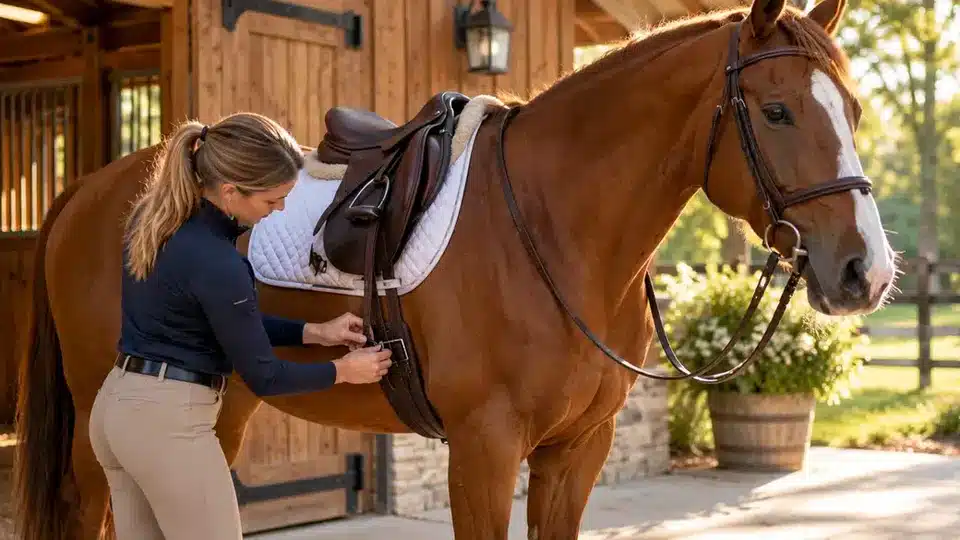
Bodies change. Horses gain muscle, lose weight, grow winter coats and change condition; riders also change. Recheck fit periodically instead of assuming a setup that worked last year still works today. For saddles, see our saddle-fit guide.
After using new equipment, inspect the horse for rubs, heat, swelling, hair disturbance or behavioral changes. Small warning signs are easier to fix than established soreness.

Cleaning and storage
Clean gear according to the material and manufacturer instructions. Store it dry, away from rodents and extreme heat. Mold, cracked leather, stretched elastic and corroded hardware are not merely cosmetic issues.
Create a quick monthly gear check. Replace worn pieces before they fail during use, especially reins, girths, stirrup leathers, halters and lead ropes.
What beginners should prioritize
For riders, a correctly fitted helmet and appropriate footwear come before fashion. For owners, basic grooming tools, a well-fitting halter and lead, feed-storage solutions and first-aid supplies are more useful than specialty accessories. See our horse first-aid kit guide and grooming-kit checklist.
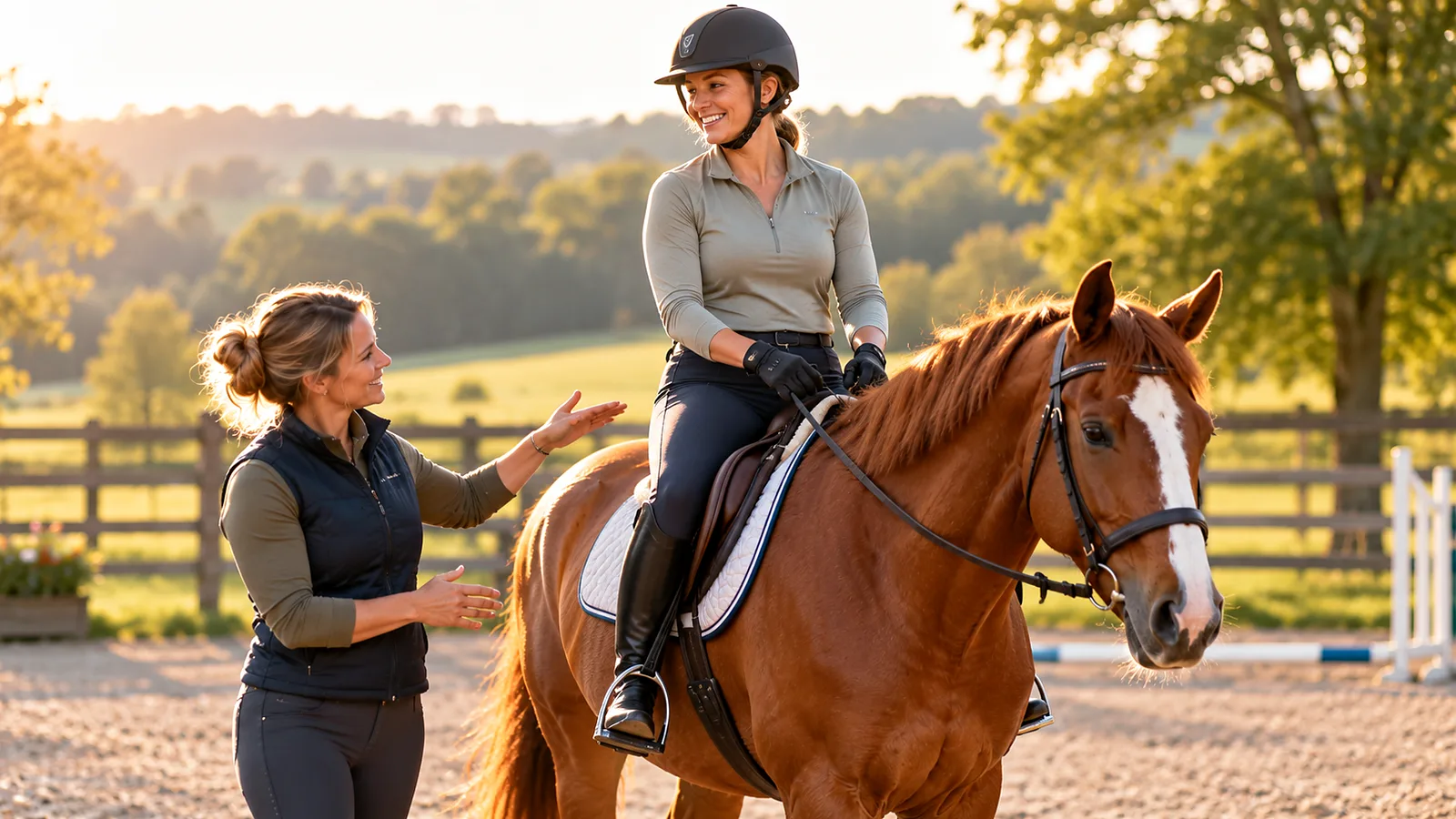
Ask your instructor or barn manager what is already provided before buying duplicates. A good barn often has strong preferences about tack and safety equipment.
Bottom line
Use gear to support good horsemanship, not replace it. Correct fit, gradual introduction, regular inspection and basic maintenance will usually deliver more value than chasing the newest product.
When an item can affect pressure, movement or safety, get hands-on help from a qualified professional rather than relying only on sizing charts.
The role of body condition and workload
Body condition and workload provide important context for riding helmets. A lightly used easy keeper, a growing youngster, a senior horse and a competition horse may all need different management even when they live at the same barn. Fitness also changes what is normal after exercise, how quickly a horse recovers and how much nutritional support is appropriate.
Use objective observations where possible. Consistent photos, body-condition scoring, weight-tape trends, work logs and notes about recovery can be more informative than memory. If weight or performance changes without a clear explanation, involve a veterinarian and, when appropriate, an equine nutrition professional rather than trying to solve everything by adding supplements.
Handling and communication around this topic
How people handle the horse can influence the result just as much as the physical management of riding helmets. Horses learn patterns quickly. If one person rewards pushing, another corrects it harshly and a third ignores it, the horse receives inconsistent information. The same problem occurs when feeding, turnout or equipment routines change depending on who is on duty.
Agree on a simple barn routine and use the same basic cues. Anyone caring for the horse should know what is normal, what has recently changed and which signs should trigger a call to the owner or veterinarian. Consistency is especially important when children, lesson students or multiple barn staff interact with the same horse.
How to discuss the issue with a professional
When you ask a professional about riding helmets, provide concise observations rather than a conclusion. Say when you first noticed the change, how often it happens, what makes it better or worse, and what management has changed recently. Photos or short videos can be useful when safe and appropriate, but they do not replace an examination when one is needed.
Bring a list of current feed, supplements, medications, farrier dates, dental dates and recent workload if they could be relevant. Good information helps a veterinarian, farrier, trainer or saddle fitter spend less time reconstructing the history and more time addressing the actual problem.
What “good enough” looks like
Good management of riding helmets does not mean perfection. The practical goal is a horse that is comfortable, safe to handle, able to perform its job and supported by a routine the owner can maintain. A complicated plan that is followed for three days is usually less useful than a simple plan that is followed for months.
Look for durable improvements rather than dramatic one-day changes. Better consistency, fewer minor problems, calmer handling and easier recovery are meaningful outcomes. If you are constantly adding new products or techniques because the last one did not have an immediate effect, return to the basics and reassess the original goal.
Building a long-term record
Create a simple record for riding helmets so decisions are not based on memory alone. Record dates, important observations, professional visits and major changes. For recurring issues, a timeline often reveals seasonal or management patterns that were not obvious in the moment.
A useful record does not need to be complicated. A note on your phone, a calendar, or a shared barn document can work. The value comes from consistency: the same few observations recorded over time can help you and your equine professionals notice trends earlier and make more confident decisions.
Planning before you make a change
Before changing anything related to riding helmets, take a short inventory of the current setup. Note what the horse eats, how much turnout it gets, who handles it, what exercise it does, and whether there have been recent changes in weather, barn routine, companions or equipment. Owners often focus on the most visible detail and miss a change elsewhere that is influencing the same outcome. A written baseline makes the next decision more deliberate and gives you something to compare against later.
Decide what problem you are actually trying to solve. “Make the horse better” is too vague; a useful goal might be easier grooming, steadier water intake, quieter mounting, more consistent body condition or fewer rubs from equipment. When the goal is specific, it becomes easier to choose a safe intervention, measure progress and know when professional advice is needed.
What to watch during the first week
The first week after a new routine is a monitoring period, not proof that the change worked. With riding helmets, pay attention to appetite, manure, water consumption, willingness to move, skin and coat, feet, attitude during handling, and recovery after exercise when those factors are relevant. Small observations can reveal whether the horse is comfortable with the change before a more obvious problem develops.
Keep the rest of the management as stable as practical. If you change feed, turnout, tack and training intensity at the same time, you may not know what caused an improvement or a setback. One clear change followed by observation is slower than guessing, but it produces information you can actually use.
How season and environment change the answer
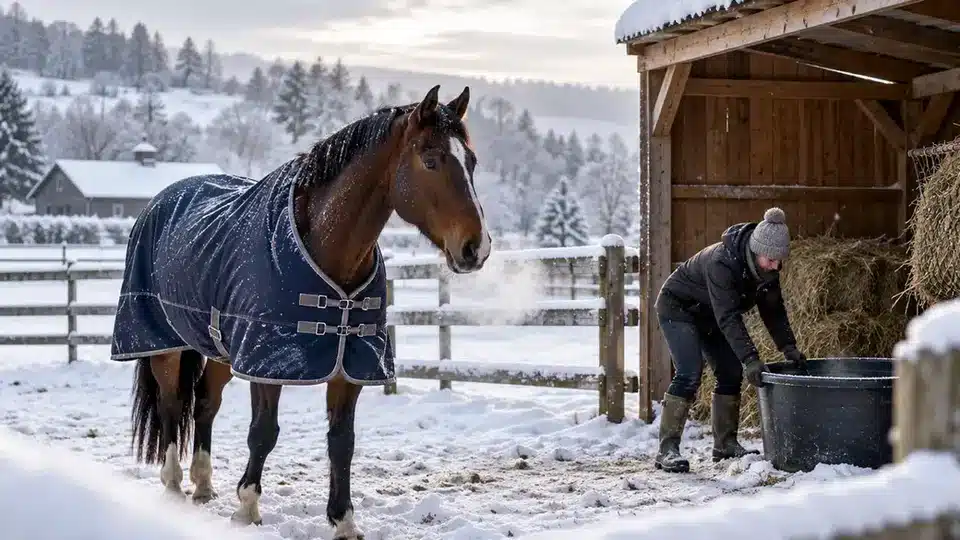
The best approach to riding helmets can shift with season and location. Hot weather changes hydration and exercise planning; cold weather can alter forage needs and water consumption; wet conditions affect skin and feet; hard or frozen ground affects movement and turnout. Indoor barns introduce ventilation considerations, while pasture-based systems bring different fencing, mud, insects and forage-management questions.
Avoid treating a recommendation written for one climate as a fixed rule everywhere. Use local hay quality, weather, pasture conditions, service-provider availability and the individual horse’s acclimation as part of the decision. Seasonal preparation is usually easier and safer than reacting after conditions have already become extreme.
A simple decision framework to keep
When you revisit riding helmets later, use the same four-step framework: observe, compare, change carefully and review. Observe what is happening now without immediately trying to fix it. Compare it with the horse’s usual baseline and with reliable professional guidance. Make the smallest reasonable change, then give the horse enough time to show whether the change is helping. This keeps a equipment decision grounded in evidence rather than impulse.
Separate urgent signs from routine questions. A mild management question can often wait for a scheduled conversation, but sudden pain, significant lameness, breathing difficulty, eye injury, severe bleeding, neurologic signs or colic-like behavior should not be treated as an internet-research project. Knowing when not to experiment is an important part of good horsemanship.
Also separate preference from necessity. Owners naturally have preferred brands, barn routines and training styles, but the horse does not care whether a solution is fashionable. It cares whether the routine is comfortable, predictable and biologically appropriate. This distinction can save money and reduce the temptation to solve every concern by purchasing another product.
Finally, review the plan after a defined period. Ask what improved, what stayed the same and whether any new problem appeared. If the result is unclear, return to the baseline rather than stacking more changes on top. Good horse management is iterative: observe, adjust, document and involve the right professional when the question moves beyond your experience.
The most reliable owners are not the ones who know every answer from memory. They are the ones who notice changes early, keep useful records, ask focused questions and are willing to change course when better information becomes available. That mindset is more valuable than any single tip in this article.
How to apply this information to your own horse
Start with one change at a time. Write down what you are trying to improve, what the current routine is, and what outcome would count as progress. This prevents well-intentioned changes from becoming a collection of variables that are impossible to evaluate.
Consider age, breed type, body condition, workload, turnout, climate, previous training and current medical recommendations. A management choice that is ideal for a fit adult trail horse may be wrong for a growing pony, a senior horse or an animal recovering from illness.
Watch the horse after the change. Appetite, willingness to move, manure, skin, feet, behavior and recovery after exercise can all provide useful information. Stop and seek professional guidance if the horse becomes uncomfortable or a new symptom appears.
Common mistakes to avoid
The first mistake is copying another owner’s routine without checking whether the circumstances match. Horses living in different climates, on different forage and doing different work may need very different management.
The second mistake is changing too much too quickly. Slow, deliberate adjustments are easier on the horse and easier for the owner to evaluate. This is particularly important with feed, training intensity and equipment.
The third mistake is waiting for certainty before asking for help. You do not need to diagnose a problem to contact a veterinarian, farrier, dentist, saddle fitter or trainer. Describing what you see is enough to start a useful conversation.
A practical barn checklist
Before leaving the barn, confirm that the horse has appropriate water access, forage or the next scheduled meal, safe fencing or stall hardware, and no obvious injury or equipment left in a dangerous position.
If the horse was exercised, check recovery and legs after untacking. Clean and store equipment where it can dry. Note anything that should be rechecked later rather than relying on memory.
For shared-care situations, communicate changes clearly. A written note about feed, medication, turnout or behavior is safer than assuming the next person already knows.
Frequently asked questions
Is there one rule that matters most for riding helmets?
Consistency and observation are the foundation. Keep the horse’s normal routine in mind and make changes for a clear reason.
How quickly should I expect a change?
It depends on the issue. Some handling improvements appear within a session, while fitness, body condition, hoof growth and coat changes take much longer. Avoid forcing a timeline.
When should I call a professional?
Call whenever safety, pain, sudden change or uncertainty exceeds your experience. Early advice is often simpler than correcting a problem after it has escalated.
Can I use this guide for every horse?
Use it as a framework, not an individual prescription. Horses vary, and medical or management recommendations should be tailored to the animal.